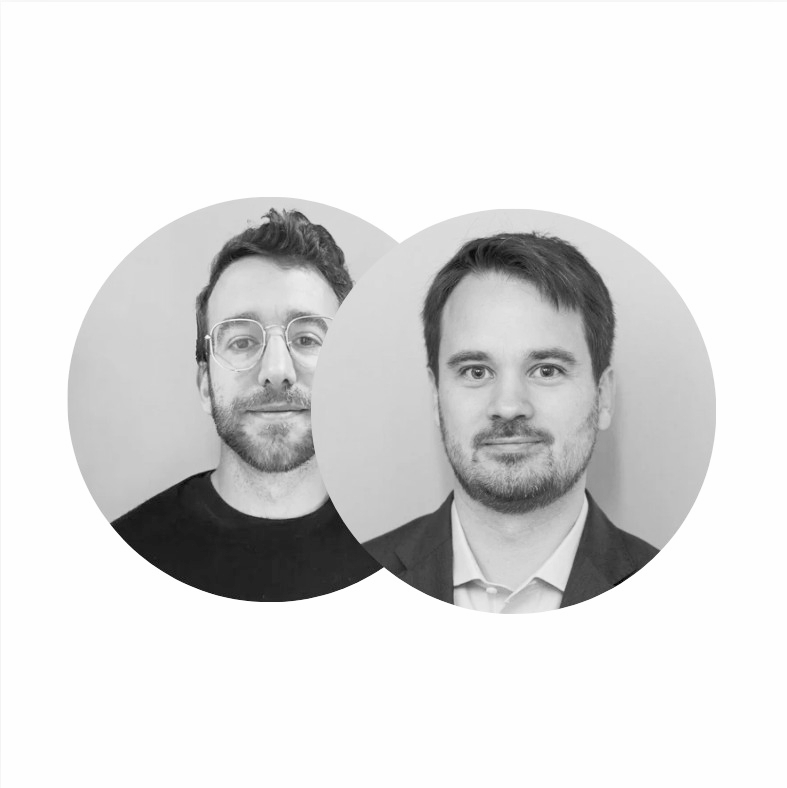
SCENOR ist eine unabhängige Forschungseinrichtung mit Sitz in Wien, die sich der Analyse und Prävention von gewalttätigem Extremismus, Radikalisierung und Hass verschrieben hat. Wir verbinden Wissenschaft mit praxisorientierten Methoden.
Als unsere Hauptaufgabe führt SCENOR evidenzbasierte Forschungsprojekte durch, die belastbare Erkenntnisse liefern, welche Politik und Praxis informieren. Diese Initiativen bilden das Fundament unserer Arbeit gegen Extremismus und Hass.
Wir bieten Experten-geleitete Seminare zur Extremismusprävention an, vor Ort oder online. Diese Trainings richten sich an Organisationen und Fachleute und vermitteln praktische Werkzeuge, strategische Einsichten und Handlungsanleitungen.
Der Schutz von Gebets- und Kultstätten umfasst mehr als physische Sicherheitsmaßnahmen. Der Beitrag zeigt, wie Hassrede, Desinformation und extremistische Narrative religiöse Gemeinschaften beeinträchtigen können und wie Prävention Sicherheit und Resilienz stärken kann, ohne Offenheit und Meinungsfreiheit unnötig einzuschränken. Der vollständige Beitrag ist auf Englisch verfügbar.
Antifeministische Narrative sind im Schulalltag nicht immer leicht zu erkennen. Erfahrungen aus dem AFETS-Projekt zeigen, warum Fortbildungen nicht nur Wissen vermitteln, sondern zunächst Problembewusstsein, begriffliche Sicherheit und professionelle Handlungskompetenz stärken müssen.
Antifeministische Narrative und autoritäre Männlichkeitsvorstellungen begegnen pädagogischen Fachkräften längst im Schulalltag. Die AFETS-Trainings zeigen: Wissen allein reicht nicht. Fachkräfte brauchen Orientierung, praxisnahe Fallarbeit und Austausch, um problematische Aussagen sicher einzuordnen und angemessen zu reagieren.
Digitale Räume prägen heute maßgeblich, wie Jugendliche Geschlechterrollen, Zugehörigkeit und gesellschaftliche Werte wahrnehmen. Dabei begegnen ihnen online zunehmend antifeministische Narrative, autoritäre Männlichkeitsbilder und Incel-Codes, oft eingebettet in Memes, Ironie und jugendnahe Formate. Der Beitrag ordnet diese Dynamiken ein, erklärt zentrale Begriffe und zeigt, warum ihre Entschlüsselung für Prävention, Bildung und einen reflektierten Umgang mit digitalen Leben
Am 13. Jänner 2026 kamen in Mailand religiöse Führungspersonen, Praktiker*innen und Vertreter*innen öffentlicher Behörden zusammen, um zu erörtern, wie Gebets- und Kultstätten vor alltäglichen Bedrohungen wie Diebstahl, Vandalismus und unbeabsichtigten Schäden geschützt werden können. Der Workshop zeigte, dass wirksame Sicherheit nicht nur von der Abwehr von Extremismus abhängt, sondern auch von routinemäßiger Prävention, gemeinschaftsbasierten Maßnahmen und besseren Meldepra
In ganz Europa nehmen Angriffe auf Sakralstätten an Häufigkeit und Komplexität zu. Dieser Blog post zeigt, wie das Prinzip des Security by Design den Schutz religiöser Stätten neu definiert – indem Sicherheit von Anfang an in Architektur, Politik und Gemeinschaftspraxis integriert wird. Aufbauend auf EU-Projekten wie PARTES und PARTESS-COM wird gezeigt, wie Prävention, Zusammenarbeit und Vertrauen die Resilienz in Europa stärken können.
In diesem deutschsprachigen Podcast spricht Dr. Daniela Pisoiu, wissenschaftliche Leiterin bei SCENOR, darüber, wie persönliche Krisen, digitale Aufmerksamkeit und ideologische Einflüsse bei gegenwärtiger terroristischer Mobilisierung zusammenwirken können. Das Gespräch behandelt auch Prävention, Deradikalisierung und aktuelle Risiken in Österreich und Deutschland.
EXTREMISMUS IN ÖSTERREICH
Wie wird Extremismus in Österreich verstanden und bekämpft? Dieser Wikipedia-Artikel erklärt zentrale Definitionen und rechtliche Grundlagen, beschreibt rechtsextreme, linksextreme und islamistische Strömungen mit ihren Ausprägungen und Organisationsstrukturen und geht auf staatliche sowie zivilgesellschaftliche Präventionsansätze ein. Zum Artikel >>
GENERATION JIHAD
Für viele von uns wirkt die Terrorgefahr weit entfernt, doch diese neue Studie zeigt, wie schnell Online-Propaganda Teenager in ganz Europa erreichen kann. In seinem jüngsten Artikel für das englischsprachige CTC Sentinel untersucht der Forscher Erik Hacker von SCENOR vierundvierzig vereitelte Anschlagspläne Minderjähriger seit 2022 und analysiert Muster, die ganze Gemeinden gefährden. Lesen Sie die vollständige Analyse, um zu erfahren, warum frühe Wachsamkeit heute wichtiger ist denn je. Weiterlesen auf Englisch >>
GAMING GEGEN EXTREMISMUS
Prävention und Intervention im Gaming-Bereich sind bislang weitgehend unerprobt. Viele Mobile-Games verfolgen zwar einen pädagogischen Ansatz, scheitern jedoch häufig daran, gleichzeitig unterhaltsam zu sein. Das von SCENOR geleitete GameD-Projekt griff diese Herausforderung auf und entwickelte einen Platformer mit echtem Spielspaß. Das Ergebnis ist Hate Hunters – ein Mobile-Game mit minimalem Text und überzeugender Spielmechanik. In Co‑Creation mit Jugendlichen wurden Unterhaltungswert und Inhaltsklarheit sorgfältig evaluiert. scenor.at Dieser Bericht stellt die theoretischen Grundlagen, das Jugend‑Co‑Creation‑Modell und erste positive Bildungseffekte vor. Hier weiterlesen >>
THE PATH TO RADICALISATION
How do young people get radicalised online? - In this interview in German language, Daniela Pisoiu describes what role online influencers play and how to tell if someone is radicalised. Dr Pisoiu is a renowned expert in the field, conducting in-depth research on terrorism, radicalisation, and violent extremism. She has published extensively on these subjects, contributing numerous scholarly works that advance the understanding of these complex and pressing issues. Read on >>
DOING IT AGAIN
Analyse der Merkmale und Auswirkungen von terroristischen Rückfällen bei dschihadistischen Anschlägen in Europa - von Erik Hacker (Forscher bei SCENOR) und Daniela Pisoiu (leitende Forscherin bei oiip) Dieser Artikel - in englischer Sprache - befasst sich mit der Frage der Rückfälligkeit im Zusammenhang mit terroristischen Anschlägen. Auf der Grundlage der Analyse eines Datensatzes, der Informationen über dschihadistische Anschläge und deren Täter in Europa zwischen 2014 und 2022 enthält, werden eine Reihe interessanter Erkenntnisse präsentiert, wie z. B.: Anschläge, die von rückfälligen Terroristen verübt werden, haben eine deutlich höhere Opferzahl zur Folge. Weiterlesen >>
Informiere dich in unserer kostenlosen deutschsprachigen Online-Datenbank über alles rund um Rechtsextremismus, islamistischen Extremismus, Verschwörungstheorien und mehr.